Collesano
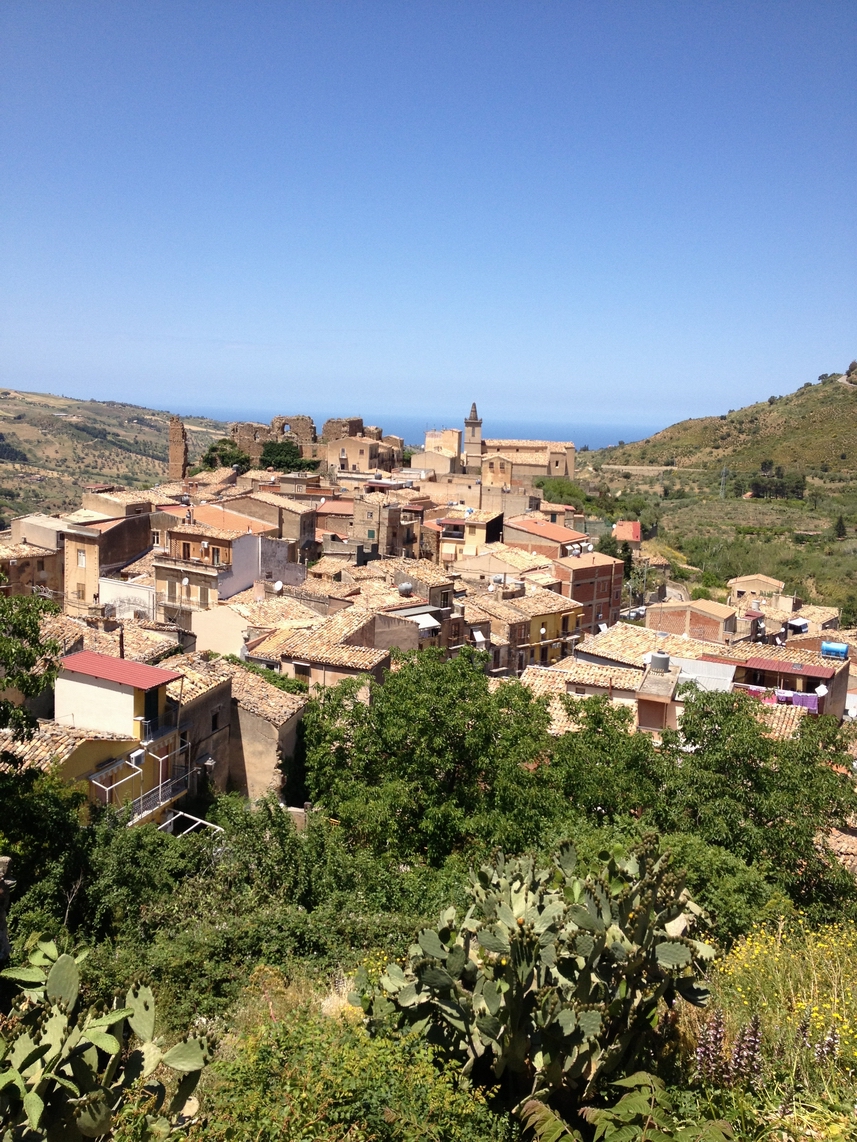
Collesano is a town where craft traditions remain deeply embedded in daily life. The village is particularly known for its ceramic artisans, whose workshops produce hand-painted tiles, decorative pottery, and architectural elements using techniques passed down through generations. These ceramics are not museum pieces—they are functional objects that fill local homes, adorn building facades, and connect contemporary life to centuries of Sicilian craftsmanship. The town has managed to sustain these traditions even as mass production and globalization have hollowed out craft economies elsewhere.
The Città della Ceramica is also surrounded by olive groves that produce some of the Madonie's finest oil. Small-scale producers here still harvest by hand, press within hours, and bottle oil that carries the distinct character of the terroir—peppery, grassy, with the minerality of mountain soil. This is not industrial agriculture. The groves are family operations, some centuries old, where knowledge of pruning, harvest timing, and milling is inherited rather than learned from manuals. The olive harvest each autumn becomes a communal event, drawing neighbors and extended families together in work that reinforces both economic ties and social bonds.
In recent years, Collesano has attracted a small but growing international community—artists, craftspeople, and remote workers drawn by the quality of life, affordability, and the vitality of local traditions. This influx has brought new energy without overwhelming the town's character. Newcomers often integrate into village life, learning Italian, supporting local businesses, and participating in festivals like the celebrated Collesano Cheese Festival, which brings together locals and visitors alike to enjoy traditional Sicilian cheeses and lively communal celebrations. The result is a community that remains authentically Sicilian while slowly becoming more cosmopolitan—a place where tradition and openness coexist rather than compete.
Interesting Facts
- Population & Elevation. ~4,000 residents at 468 m (1,535 ft) above sea level—a hill town positioned between the Madonie mountains and the Tyrrhenian coast, shaped by both mountain and maritime influences
- Strategic Setting. Located along the historic Regie Trazzere—the royal road network that connected Palermo and Messina—Collesano developed as a crossroads for trade, seasonal livestock movement, and travel between the coast and the agricultural communities of the Madonie
- Historic Roots. Originating in the medieval period and built around the ruins of a Norman castle, the town's churches, stone streets, and layered architecture reflect centuries of religious, agricultural, and civic life
- Living Traditions. Religious processions, local festivals, and seasonal celebrations continue to anchor community life, preserving customs tied to agriculture, family, and village identity
- Targa Florio Legacy. Collesano played a central role in the legendary Targa Florio (1906–1977), one of the world's oldest road races. The town is home to the Targa Florio Museum, preserving the Madonie's unique place in automotive history
- Olive Oil & Ceramics. Surrounded by traditional olive groves producing high-quality local oil, Collesano is also known for its handcrafted ceramics—functional pieces and decorative wares that reflect long-standing artisan traditions of the Madonie